
Blogs
Discus Fish Care Guide for Beginners: How to Keep Discus Fish Healthy and Beautiful
Nov
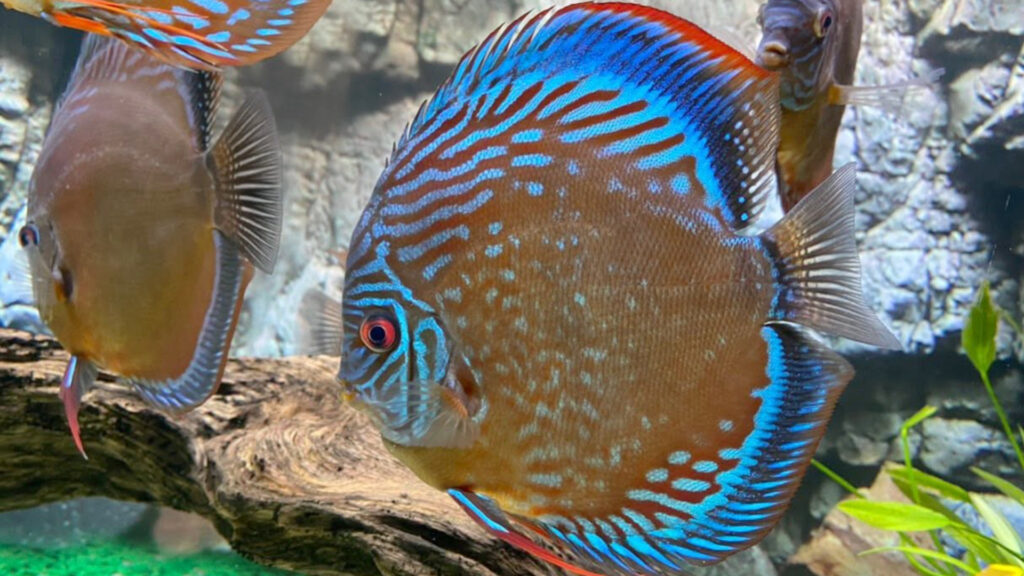
Discus fish are widely regarded as one of the most beautiful freshwater aquarium fish in the world. Their distinctive round body shape, vibrant colors, and graceful swimming movements make them a favorite among aquarium enthusiasts.
However, Discus fish are also known for being relatively sensitive to changes in water quality, temperature, and living conditions. Without proper care, beginners may encounter problems such as loss of appetite, slow growth, stress, and various diseases.
So, how do you keep Discus fish healthy and help them develop beautiful colors?
In this comprehensive Discus fish care guide, we will walk you through everything beginners need to know, from setting up an aquarium and acclimating newly purchased fish to feeding, water changes, filtration, and preventing common Discus fish diseases.
1. Setting Up a Discus Fish Aquarium
Before bringing Discus fish home, it is important to prepare a suitable aquarium. A stable and healthy environment is essential for their growth, activity, and overall well-being.
1.1. Choosing the Right Aquarium Size
Discus fish are social fish that naturally prefer living in groups. Keeping them in a properly sized aquarium provides enough swimming space and helps reduce stress and competition.
Here are some general stocking suggestions:
- 90–100 cm aquarium: Can accommodate approximately 10–20 Discus fish measuring 9–10 cm, depending on filtration capacity and actual water volume.
- 150 cm aquarium: Suitable for a larger group, provided the filtration system can handle the biological load.
- 200 cm or larger aquarium: Offers more space for larger groups, although stocking density must still be adjusted according to fish size and filtration performance.
For beginners, starting with a moderately sized aquarium is usually the best option. Smaller, manageable setups make it easier to monitor water quality and maintain a consistent cleaning routine.
1.2. Choosing an Effective Filtration System
A reliable filtration system is one of the most important components of a successful Discus aquarium.
Good filtration removes suspended waste, uneaten food, and fish waste while providing a suitable environment for beneficial bacteria to develop.
Common filtration options include:
- Canister filters: Popular choices for medium and large aquariums.
- DIY filtration systems: A more affordable alternative for hobbyists who prefer building their own equipment.
- Multi-stage filtration systems: These provide several filtration compartments for mechanical and biological filtration.
Popular filter media include:
- Ceramic rings and lava rocks for beneficial bacteria colonization.
- Eheim Substrat Pro for biological filtration.
- Seachem Matrix for supporting biological filtration.
- Purigen for adsorbing dissolved organic compounds and improving water clarity.
One important rule is to avoid washing all biological filter media at the same time. Doing so can remove a large portion of the beneficial bacteria responsible for maintaining biological balance.
Instead, clean or replace the mechanical filter sponge when necessary while preserving the biological media.
1.3. Installing a Heater and Air Pump
Discus fish prefer warm water with a stable temperature. Therefore, a reliable aquarium heater is essential, especially in areas where temperatures fluctuate throughout the year.
You should also install an air pump to maintain adequate oxygen levels.
Proper oxygenation supports fish respiration and helps beneficial bacteria function efficiently.
If power outages are common in your area, consider purchasing a battery-powered or rechargeable air pump as a backup.
2. How to Acclimate Newly Purchased Discus Fish
One of the most common mistakes beginners make is releasing newly purchased Discus fish directly into their main aquarium.
Sudden changes in temperature and water chemistry can cause serious stress. Newly transported fish may also carry pathogens that could spread to existing fish.
For these reasons, proper acclimation and quarantine are essential.
2.1. Preparing a Quarantine Tank
Ideally, every Discus keeper should have a separate quarantine or conditioning tank.
A basic setup should include:
- A small aquarium, approximately 30 × 30 × 30 cm or larger.
- An appropriately sized aquarium heater.
- An air pump and air stone.
- Clean, properly treated water.
- Separate nets and maintenance equipment.
A clean plastic container or foam box can also serve as a temporary quarantine setup if a glass aquarium is unavailable.
2.2. Step-by-Step Acclimation Process
Follow these steps when introducing newly purchased Discus fish.
Step 1: Equalize the Temperature
Float the sealed transport bag in the quarantine tank. This allows the water temperature inside the bag to gradually approach the temperature of the aquarium.
Step 2: Gradually Adjust the Water Conditions
Slowly introduce small amounts of quarantine tank water into the transport bag so the fish can adjust to the new water conditions.
Avoid sudden changes in temperature, pH, and other water parameters.
Step 3: Transfer the Fish
Once acclimation is complete, gently transfer the fish into the quarantine tank using a clean fish net.
Avoid pouring the transport water into your aquarium because it may contain accumulated waste or unwanted pathogens.
Step 4: Monitor Their Condition
Observe the fish closely for several days.
Pay attention to swimming behavior, breathing rate, body coloration, and appetite. Avoid feeding large quantities immediately after transportation.
The quarantine period generally lasts around 3–7 days or longer, depending on the fish’s condition. Only introduce them into the main aquarium when they appear healthy, swim normally, and eat consistently.
2.3. Why Water Quality Matters
Water quality is one of the most important factors in Discus fish keeping.
Tap water should be treated to remove chlorine and chloramine before being introduced into the aquarium. You should also check for potentially harmful substances, including heavy metals.
An RO (Reverse Osmosis) filtration system can provide greater control over water quality. However, RO water may need remineralization before use because it contains very few dissolved minerals.
Avoid making sudden pH adjustments simply to reach a particular number. Stable water conditions and gradual acclimation are generally more important than constantly chasing an ideal pH value.
3. Daily Discus Fish Care and Maintenance
Once your Discus fish have adapted to their environment, maintaining a consistent care routine becomes the key to long-term success.
The three most important factors are water quality, temperature, and nutrition.
3.1. Maintaining the Right Water Temperature
Temperature directly affects the metabolism, appetite, and overall activity of Discus fish.
For general aquarium keeping, many hobbyists maintain water temperatures around 28–30°C (82–86°F).
Some situations, such as quarantine or disease treatment, may require different temperatures. However, any adjustment should be made carefully while monitoring the fish and maintaining sufficient oxygen levels.
During colder months, remember to:
- Use a heater suitable for your aquarium volume.
- Install an aquarium thermometer.
- Avoid introducing cold replacement water directly into the tank.
- Prevent sudden temperature fluctuations.
- Regularly check that your heater is working correctly.
A reliable heater with an adjustable thermostat is highly recommended.
3.2. How Often Should You Change Discus Aquarium Water?
Regular water changes help remove fish waste, uneaten food, and accumulated organic compounds.
The ideal water change schedule depends on several factors, including stocking density, filtration capacity, feeding frequency, and actual water quality.
Here are some general guidelines:
During warmer months:
- A 10–20% daily water change may be appropriate for heavily stocked aquariums.
- Remove fish waste and uneaten food regularly.
- Monitor water parameters to determine whether adjustments are necessary.
During colder months:
- Water changes may be less frequent if the aquarium remains clean and stable.
- Smaller water changes of approximately 10% can help minimize temperature fluctuations.
- Make sure replacement water is close to the aquarium’s existing temperature.
- Avoid adding cold water directly when it could cause thermal shock.
For smaller aquariums, prepare replacement water in a separate container. Treat it to remove chlorine and adjust its temperature before adding it slowly to the tank.
Remember that there is no single water change schedule suitable for every Discus aquarium. Regularly monitor ammonia, nitrite, and nitrate levels to determine the appropriate maintenance routine.
3.3. Cleaning the Aquarium and Filter
Besides regular water changes, aquarium maintenance is essential for keeping Discus fish healthy.
Your maintenance routine should include:
- Removing fish waste and leftover food from the bottom.
- Cleaning algae from the aquarium glass.
- Checking filter pipes and water flow.
- Cleaning or replacing mechanical filter sponges when necessary.
- Avoiding excessive cleaning of biological filter media.
Proper maintenance helps prevent organic waste from accumulating and supports a stable biological filtration system.
3.4. Maintaining Beneficial Bacteria
Beneficial bacteria play a critical role in maintaining a healthy aquarium environment.
They help convert toxic ammonia into nitrite and then into nitrate through a biological process known as the nitrogen cycle.
For a newly established aquarium, the biological filtration system should be properly cycled before adding fish.
You can use commercially available beneficial bacteria products according to the manufacturer’s instructions.
However, adding bacteria supplements alone is not enough. Your aquarium still needs suitable filter media, adequate water circulation, and sufficient time for the biological filtration system to mature.
4. What Do Discus Fish Eat? A Complete Feeding Guide
Proper nutrition is essential for Discus fish growth, body condition, and coloration.
A balanced diet should include high-quality foods from reliable sources. Offering different food types can help provide a wider range of nutrients.
4.1. Common Types of Discus Fish Food
Here are some popular food choices among Discus fish keepers.
Beef Heart
Beef heart is a protein-rich food commonly used by Discus enthusiasts, particularly when raising juvenile fish.
You can purchase prepared beef heart mixtures or make your own at home.
If preparing homemade food, always select fresh ingredients, maintain good hygiene during preparation, and store portions properly in the freezer.
Bloodworms
Bloodworms are popular among Discus fish because many readily accept them.
Frozen bloodworms are a convenient option. Live bloodworms, however, should come from reliable suppliers and be handled carefully to reduce the risk of introducing pathogens.
Frozen Worms and Insects
Frozen worms and insect-based foods can provide variety in the diet.
They are convenient to store and can be used as occasional alternatives to other food sources.
Artemia
Artemia is particularly useful for juvenile Discus fish and can be included as part of a varied feeding program.
Commercial Discus Pellets
Specialized Discus pellets are convenient, easy to store, and simple to portion.
Choose products from reputable manufacturers with suitable nutritional content.
4.2. How Many Times Should You Feed Discus Fish?
For adult Discus fish, feeding twice a day is a reasonable starting point, usually once in the morning and once in the evening.
Juvenile Discus fish that are actively growing may benefit from more frequent, smaller meals.
Keep these feeding principles in mind:
- Feed only as much as the fish can consume within a short period.
- Avoid leaving uneaten food in the aquarium.
- Provide a varied diet rather than relying on a single food source.
- Monitor the fish after introducing new foods.
- Remove leftover food to prevent water pollution.
Overfeeding is one of the most common causes of poor water quality in Discus aquariums.
4.3. Important Precautions When Using Live Foods
Live foods can provide valuable nutrients, but they may also introduce harmful bacteria, parasites, and other contaminants.
Always purchase live foods from trusted suppliers and ensure they are handled and prepared hygienically.
Never feed Discus fish food that smells unusual, has changed color, or shows signs of spoilage.
A nutritious diet is important, but food safety is equally essential.
5. Common Discus Fish Diseases and How to Prevent Them
Discus fish are sensitive to environmental changes. Poor water quality, unstable temperatures, and contaminated food can increase their risk of developing health problems.
Below are five common health conditions that beginners should learn to recognize.
5.1. Body Fungus
Common symptoms:
- White or cotton-like patches appearing on the body.
- Frequent rubbing against aquarium surfaces.
- Clamped fins and reduced activity.
- Darkened body coloration or more visible stress bars.
Possible causes:
- Poor water quality.
- Sudden temperature changes.
- Damage to the protective slime coat.
- Stress caused by transportation or environmental changes.
What to do:
First, check water quality, temperature, and the overall condition of the fish.
If symptoms are significant, move the affected fish to a separate hospital tank with clean water, adequate aeration, and stable temperature.
Treatment should depend on the actual cause. Avoid combining multiple medications or increasing dosages without identifying the problem.
5.2. Ulcers and Fin or Tail Rot
Common symptoms:
- Torn or deteriorating fins.
- Damaged areas or open sores on the body.
- Discolored or eroding fin edges.
- Reduced activity and loss of appetite.
Possible causes:
- Prolonged exposure to poor water conditions.
- Bacterial infections.
- Physical injuries.
- Unstable aquarium conditions.
What to do:
Improve water quality, remove accumulated waste, and isolate affected fish when necessary.
For severe infections or spreading ulcers, seek advice from an aquatic veterinarian or experienced fish health professional before selecting medication.
5.3. Bloating and White Stringy Feces
Digestive problems are a concern for many Discus fish keepers because they can have several different causes.
Common symptoms:
- An unusually swollen abdomen.
- Loss of appetite.
- White, stringy feces.
- Reduced swimming activity.
- Spending long periods in one area of the aquarium.
Possible causes:
- Spoiled or contaminated food.
- Digestive disturbances.
- Internal parasites or other intestinal pathogens.
- Poor water quality.
What to do:
Move the affected fish to a separate tank for observation, check the water parameters, and stop feeding any food suspected of being contaminated.
Do not assume that all cases of white feces are caused by the same parasite or bacterial infection. If the fish continues refusing food, develops severe swelling, or becomes increasingly weak, seek professional help to identify the underlying cause.
5.4. Cloudy Eyes and Popeye
Common symptoms:
- A cloudy or milky appearance over the eyes.
- Loss of normal eye clarity.
- Swelling or protruding eyes in some cases.
- Reduced response to food.
Possible causes:
- Poor water quality.
- Bacterial infections.
- Physical eye injuries.
- Parasites or other pathogens.
What to do:
Check water parameters and perform appropriate water changes. Observe whether the condition improves.
If the fish develops protruding eyes or symptoms continue to worsen, isolate it and seek professional advice before using medication.
5.5. Gill Disease
Gill-related diseases can be particularly dangerous because affected fish may deteriorate quickly.
Common symptoms:
- Rapid or abnormal breathing.
- Frequent gasping at the water surface.
- Difficulty breathing.
- Lethargy and loss of appetite.
- One gill appearing less active than the other.
Possible causes:
- Poor water quality.
- Low dissolved oxygen.
- Gill parasites or other infectious organisms.
- Sudden environmental changes.
What to do:
Increase aeration, check water quality, and isolate fish showing abnormal symptoms.
Gill problems can progress rapidly, so early identification is important. Avoid using medications without first determining the likely cause.
6. Essential Tips for Beginners to Keep Discus Fish Successfully
If you want to maintain a healthy and beautiful Discus collection, remember these essential principles:
- Always treat replacement water: Remove chlorine and ensure the water is suitable for aquarium use.
- Maintain stable temperatures: Avoid sudden temperature fluctuations, especially during colder seasons.
- Avoid overcrowding: Stock your aquarium according to its water volume and filtration capacity.
- Feed appropriate portions: Excess food can quickly pollute the aquarium.
- Perform regular water changes: Adjust the schedule according to actual water conditions.
- Protect beneficial bacteria: Never clean all biological filter media at the same time.
- Quarantine new fish: Observe their health before introducing them to an established aquarium.
- Monitor your fish daily: Watch for loss of appetite, clamped fins, rapid breathing, and unusual coloration.
- Use medication responsibly: Avoid mixing medications or treating fish without understanding the underlying problem.
7. Final Thoughts: Discus Fish Keeping Is Easier with the Right Knowledge
Keeping Discus fish requires patience, consistency, and a good understanding of aquarium water management.
For beginners, there is no need to invest in an extremely expensive setup from the beginning. What matters most is choosing an appropriately sized aquarium, installing effective filtration, maintaining stable temperatures, providing clean and nutritious food, and following a consistent maintenance routine.
Start with a manageable group of Discus fish and take time to observe their behavior. As your experience grows, you can upgrade your filtration system, expand your aquarium, and explore more colorful and unique Discus varieties.
With proper care and attention, even beginners can enjoy a beautiful, healthy, and thriving Discus aquarium for years to come.
